Plasma treatment under PVD
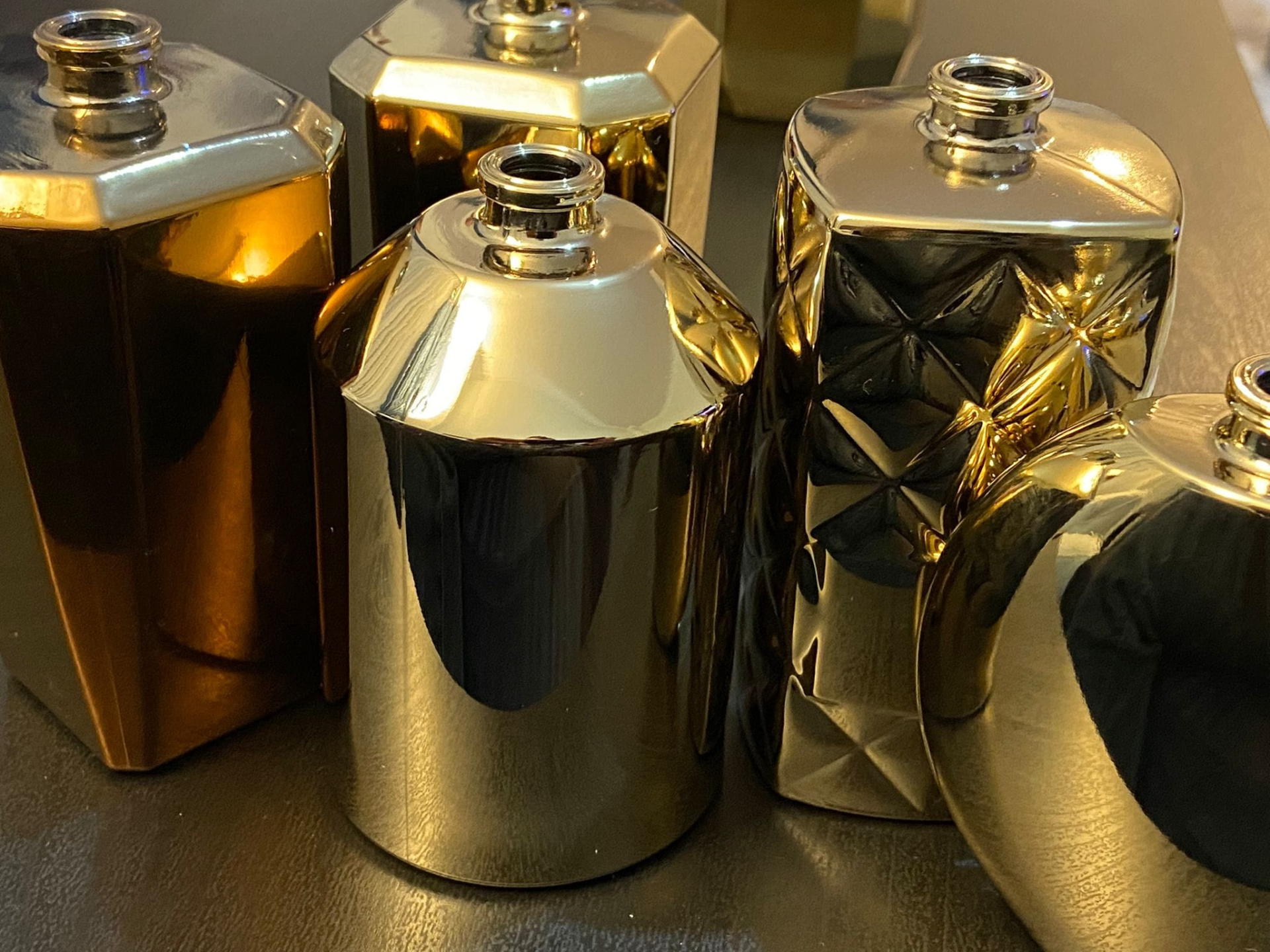
Plasma treatment under PVD
Plasma treatment is often used in conjunction with PVD (Physical Vapor Deposition) processes to enhance the adhesion and performance of the deposited coatings. Plasma treatment involves subjecting the substrate surface to a highly energized plasma gas.
In the context of PVD, plasma treatment is typically performed before the coating process begins. The substrate is placed in a vacuum chamber, and a low-pressure gas (such as argon or nitrogen) is introduced. A high-frequency electrical discharge is then applied to ionize the gas, creating a plasma.
The plasma contains highly energetic ions, electrons, and reactive species, which interact with the substrate surface. These interactions can clean the surface by removing contaminants, oxides, or organic materials, and can also modify the surface chemistry and structure.
Plasma treatment can improve the adhesion of the PVD coating to the substrate by promoting chemical bonding and increasing the surface energy. It can also help eliminate residual stresses, enhance film density, and improve the overall coating quality and performance.
The specific parameters of the plasma treatment, such as gas composition, pressure, power, and treatment time, can be optimized based on the characteristics of the substrate material and the desired coating properties.
In summary, plasma treatment in PVD processes is a surface preparation technique that utilizes a highly energized plasma to clean, modify, and activate the substrate surface, thereby improving the adhesion and performance of the subsequent PVD coatings.